Detritos ocultos em GEO são um alerta: a visibilidade deve ser acompanhada de ação.
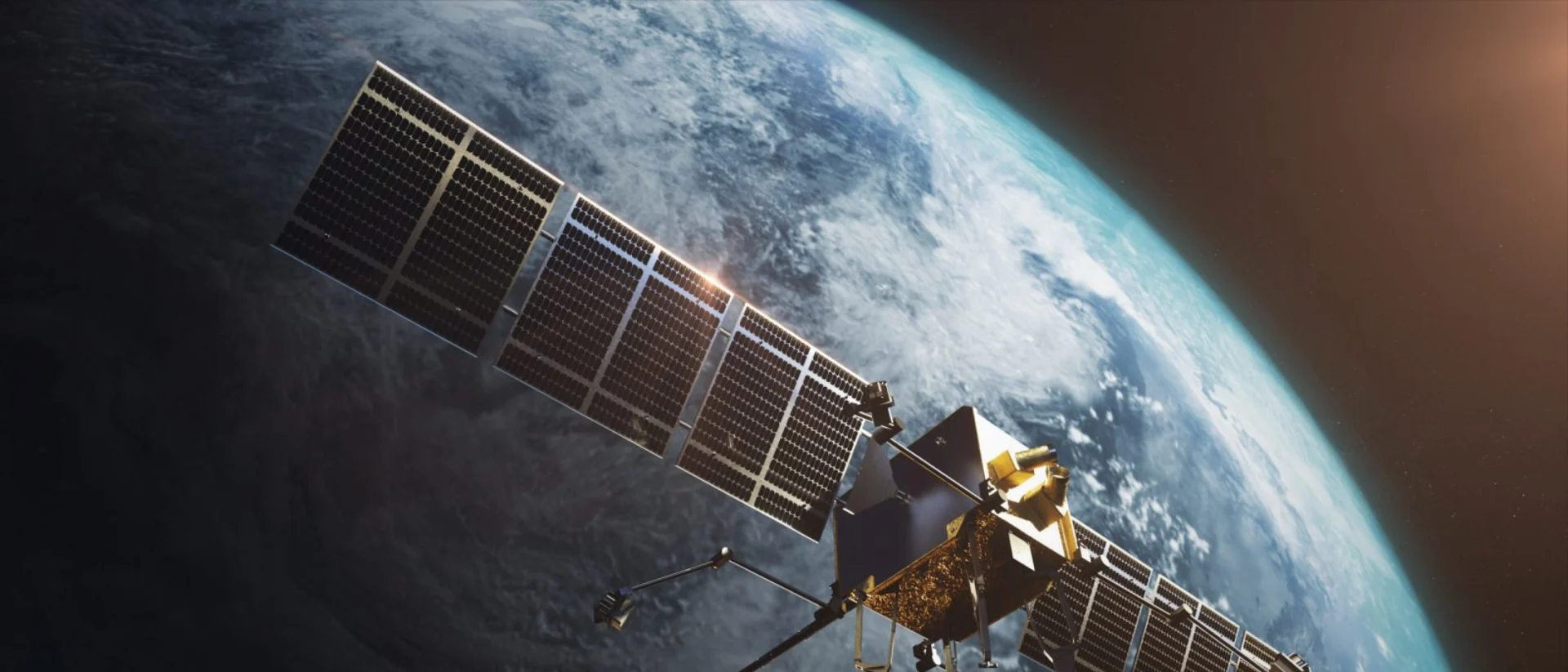
Um descoberta recente por astrônomos Uma pesquisa revelou uma população de detritos até então desconhecida na órbita geoestacionária (GEO), uma das regiões orbitais mais valiosas da Terra. Utilizando técnicas avançadas de processamento de imagens, os pesquisadores identificaram dezenas de objetos desconhecidos — muitos com apenas alguns centímetros de diâmetro — que podem representar um risco de colisão para satélites em operação.
Embora a descoberta tenha atraído as manchetes, não deveria ser uma surpresa para a comunidade espacial. Pelo contrário, reflete uma mudança importante em nossa capacidade de observar o ambiente orbital. À medida que as tecnologias de detecção melhoram, começamos a desvendar um panorama mais completo dos desafios enfrentados pelas órbitas mais críticas da Terra.
As descobertas servem como um lembrete oportuno de que manter um ambiente espacial seguro e sustentável depende de mais do que rastrear os objetos que já conhecemos. Requer a capacidade de compreender um ambiente orbital cada vez mais complexo e de agir antes que os riscos se tornem irreversíveis.
Explorando mais o ambiente espacial
Durante décadas, a discussão sobre detritos espaciais concentrou-se principalmente na órbita terrestre baixa (LEO). Isso é compreensível. A LEO experimentou um rápido crescimento na atividade de lançamentos, a implantação de grandes constelações de satélites e um número crescente de aproximações entre espaçonaves. Como resultado, grande parte do investimento da indústria em rastreamento, monitoramento e mitigação de detritos tem se concentrado nessa região.
A órbita geoestacionária apresenta um desafio diferente.
Localizada a aproximadamente 36.000 quilômetros acima da Terra, a órbita geoestacionária (GEO) abriga muitos dos satélites que sustentam a sociedade moderna. Comunicações, previsão do tempo, transmissão de televisão, resposta a desastres e elementos de segurança nacional dependem de espaçonaves operando nesse regime orbital único. Ao contrário dos satélites em órbita baixa da Terra (LEO), as espaçonaves em GEO permanecem fixas em relação a um ponto na superfície da Terra, tornando-as indispensáveis para muitos serviços críticos.
O Relatório sobre o Ambiente Espacial da Agência Espacial Europeia Destaca-se que o número de objetos em órbita continua a crescer, reforçando a importância de aprimorarmos nossa compreensão de todo o ambiente orbital — e não apenas das regiões que tradicionalmente receberam mais atenção. As redes de vigilância existentes têm feito um excelente trabalho no rastreamento de objetos maiores, mas os avanços na observação óptica e no processamento de imagens estão agora revelando fragmentos menores que antes estavam além da nossa capacidade de detecção consistente.
As observações mais recentes demonstram que nossa compreensão da órbita geoestacionária está evoluindo. Elas não sugerem necessariamente que os detritos surgiram repentinamente — em vez disso, mostram que estamos nos tornando melhores em enxergar o que sempre esteve lá.
À medida que nossa compreensão do ambiente orbital se torna mais clara, também aumenta nossa compreensão dos riscos que os operadores de satélites enfrentam.
A conscientização por si só não basta.
Uma melhor consciência situacional no espaço é essencial para operações seguras, mas essa consciência por si só não reduz os riscos.
Saber da existência de um objeto só é valioso se os operadores tiverem opções para reagir. Manobras para evitar colisões continuam sendo uma ferramenta importante, mas não são uma solução completa — principalmente se o número de objetos rastreados continuar aumentando. Manobras frequentes consomem combustível valioso, reduzem a vida útil dos satélites e podem aumentar a complexidade operacional para a comunidade espacial em geral.
Uma abordagem mais sustentável consiste em lidar com os riscos antes que eles se transformem em problemas maiores.
Isso inclui inspecionar satélites para melhor compreender anomalias, estender a vida útil operacional de espaçonaves em bom estado para maximizar o valor dos ativos existentes, realocar satélites com segurança ao final de suas missões e remover objetos de alto risco que possam gerar detritos adicionais por meio de fragmentação ou colisão.
Em conjunto, essas capacidades formam a base da manutenção em órbita.
Em vez de encarar os satélites como ativos que são lançados, operados e, por fim, abandonados, a manutenção em órbita apoia uma abordagem de ciclo de vida na qual as espaçonaves podem ser mantidas, reposicionadas e desativadas de forma responsável. Isso ajuda a reduzir os riscos a longo prazo, ao mesmo tempo que permite aos operadores maximizar o valor de infraestruturas espaciais cada vez mais sofisticadas e dispendiosas.
Uma Nova Era da Sustentabilidade Espacial
A descoberta de detritos nunca antes vistos também reflete uma transição mais ampla que está ocorrendo em todo o setor espacial global.
À medida que governos e operadores comerciais investem em programas espaciais mais ambiciosos, a sustentabilidade está se tornando um requisito operacional, e não apenas uma aspiração futura. Os órgãos reguladores estão introduzindo expectativas mais rigorosas em relação ao descarte ao final da vida útil dos satélites, os operadores estão dando maior ênfase ao planejamento responsável de missões, e as discussões internacionais continuam a explorar normas para um comportamento seguro e sustentável em órbita.
Ao mesmo tempo, as melhorias no conhecimento da situação espacial estão fornecendo aos operadores informações mais detalhadas do que nunca.
Esses desenvolvimentos reforçam um ponto importante: visibilidade e capacidade devem evoluir juntas.
Uma melhor observação permite uma melhor tomada de decisões, mas apenas se os operadores tiverem as ferramentas para agir com base nas informações recebidas. Sem recursos práticos de manutenção, uma maior visibilidade simplesmente revela mais riscos que não podem ser gerenciados de forma eficaz.
Construindo a infraestrutura para um espaço sustentável
O futuro do espaço dependerá de tratarmos a sustentabilidade orbital como infraestrutura essencial.
Isso significa combinar um conhecimento avançado do domínio espacial com capacidades de manutenção rotineira em órbita, permitindo que os operadores inspecionem espaçonaves, estendam missões quando apropriado, realoquem satélites com segurança ao final de sua vida útil e reduzam o acúmulo de detritos a longo prazo.
Nenhuma tecnologia isolada resolverá esse desafio sozinha. Operações espaciais sustentáveis exigem colaboração entre operadores de satélites, governos, órgãos reguladores e empresas que desenvolvem a próxima geração de serviços orbitais. Juntas, essas capacidades podem ajudar a preservar o acesso a regimes orbitais críticos, ao mesmo tempo que apoiam a inovação contínua e o crescimento econômico no espaço.
A descoberta de detritos ocultos em órbita geoestacionária é um marco científico importante. Mais importante ainda, demonstra que nossa compreensão do ambiente espacial continua a melhorar.
À medida que obtemos maior visibilidade das órbitas da Terra, devemos garantir que nossas capacidades operacionais acompanhem esse ritmo. Identificar o problema é o primeiro passo. Desenvolver a capacidade de gerenciá-lo é o que garantirá a sustentabilidade do espaço a longo prazo para as futuras gerações.
Translation
Translations are machine-generated and may not be perfect.
All Categories
Recent Posts
Astroscale UK Strengthens Mission Readiness for World’s First Active Debris Removal Mission
30 de setembro de 2026ESA's Space Environment Report Shows a Growing Gap Between Space Growth and Sustainability
15 de setembro de 2026Astroscale France and HEMERIA Join Forces to Develop Sovereign GEO Capability for Global Markets
15 de setembro de 2026