A Million Data Center Satellites in Orbit: Why Space Sustainability Must Keep Pace with Growth
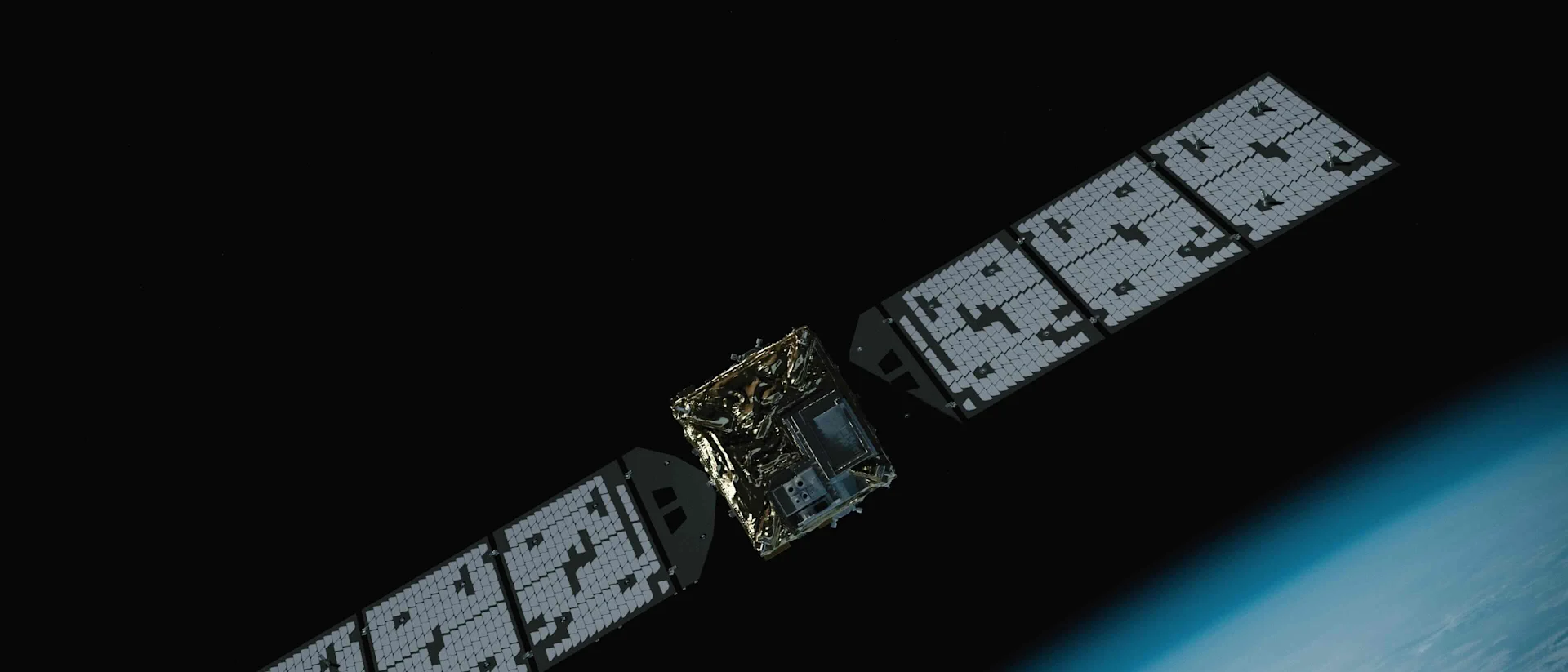
The prospect of putting data centers in space has taken a significant step towards reality. On November 25, the U.S. Federal Communications Commission (FCC) authorized SpaceX to deploy up to one million satellites for its proposed Starmind orbital data center constellation.
While the scale of the proposal has made media headlines, the bigger question for the space industry is what happens after these satellites reach orbit. As space becomes home to an increasingly diverse range of infrastructure, from communications networks to potentially large-scale computing facilities, we need to rethink how spacecraft are designed, maintained and managed throughout their lifecycle.
The opportunity to expand the space economy is enormous. But growth needs to be accompanied by the capabilities and practices that ensure the orbital environment remains sustainable for generations to come.
Scale changes the sustainability challenge
The number of satellites naturally attracts attention, but the total amount of mass and material being placed into orbit matters too. The more infrastructure we put into space, the more important it becomes to consider what happens when spacecraft fail or reach the end of their operational lives. Those assets represent significant materials, manufacturing investment, launch costs and operational value.
No spacecraft is completely immune to failure. At very large constellation sizes, even relatively low failure rates can leave a significant number of satellites requiring some form of intervention. And the implications extend beyond the constellation itself. At this scale, the sustainability of a constellation becomes inseparable from the sustainability of the wider orbital environment. This is why responsible space operations need to be considered at a system level, rather than simply assessed by each spacecraft.
Making spacecraft serviceable
For much of the space age, spacecraft have effectively been single-use assets. Once launched, there were few practical options available if they ran low on fuel, developed a problem or could no longer perform their mission. That is beginning to change.
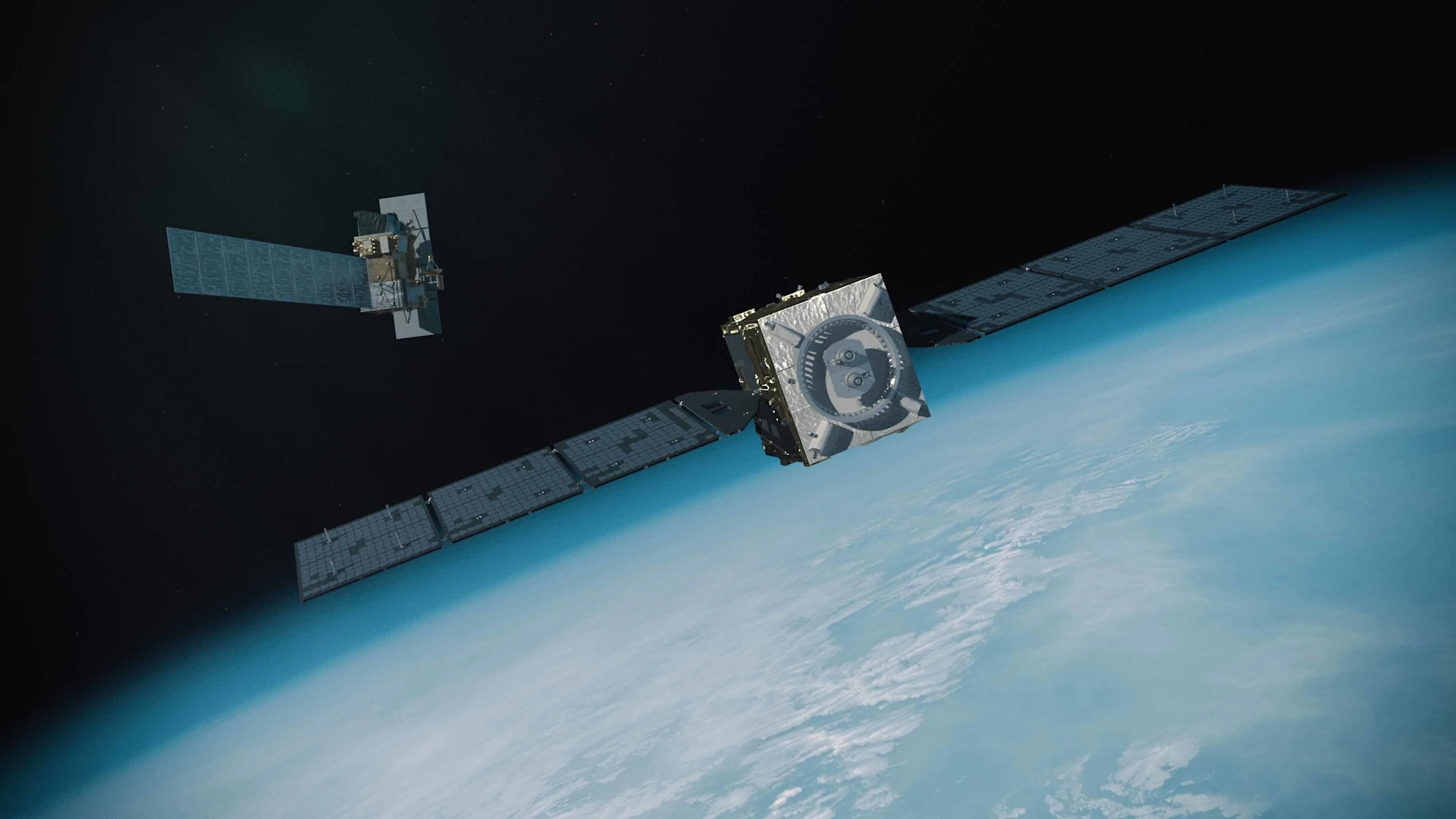
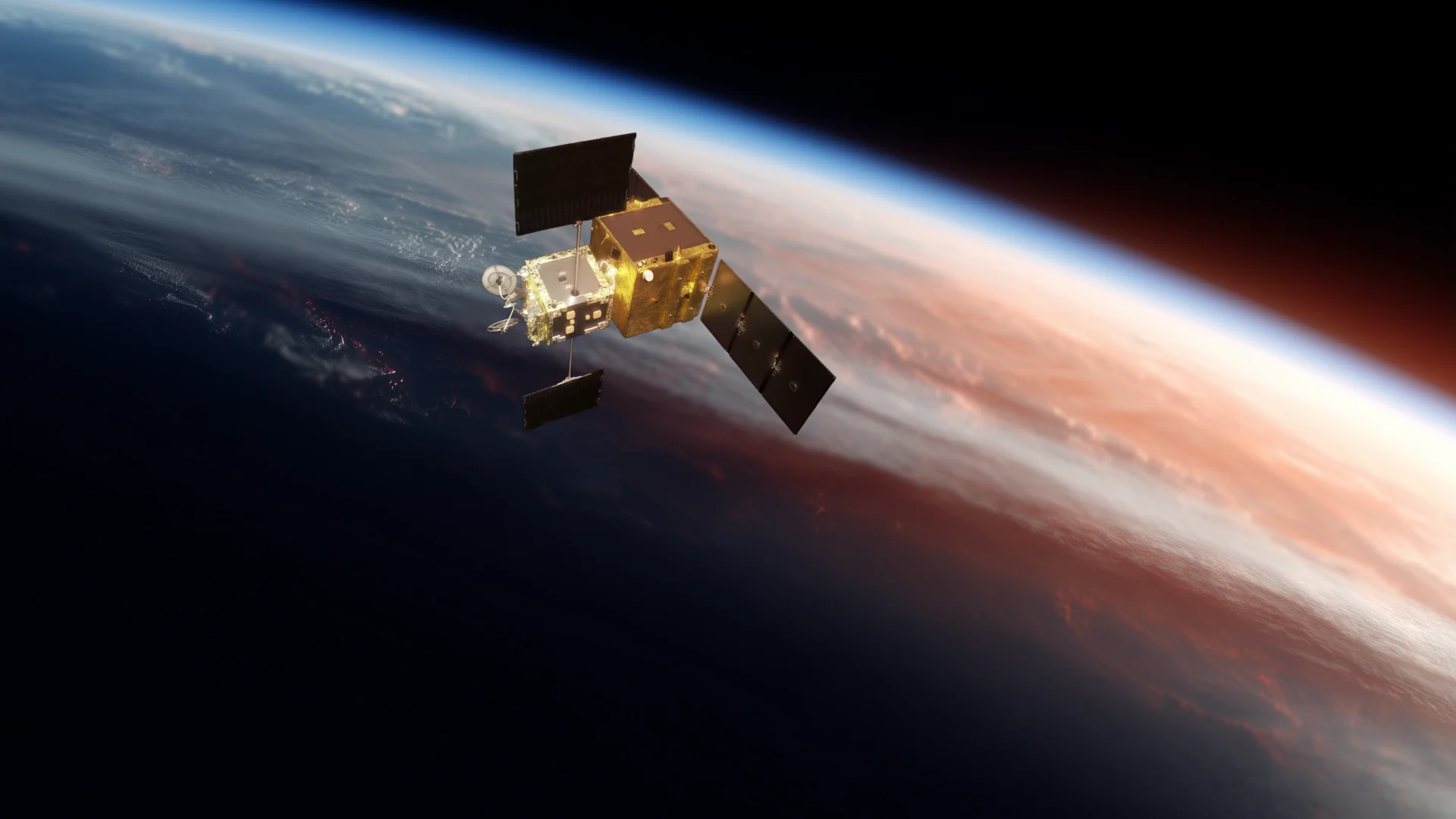
Astroscale is developing on-orbit servicing capabilities that give satellite operators more options during the life of their spacecraft. Inspection and rendezvous technologies can help operators better understand and safely approach objects in orbit. Life extension, refueling, refurbishment and upgrades could allow valuable satellites to remain operational for longer. End-of-life services and active debris removal provide options for spacecraft and other objects that need to be removed from orbit.
As these technologies mature, the way spacecraft are designed will matter too. Servicing interfaces such as Astroscale’s Docking Plates offer standardized approaches to docking and rendezvous which can help ensure that future servicing options remain available. A satellite that includes a servicing or docking interface from the outset is easier to work with than one that was never designed to be approached, captured or refueled.
Sustainability and growth need to go together
The emergence of orbital data centers is another indication of how quickly the role of space infrastructure is evolving. As more critical services and commercial activities move into orbit, the value of the assets we place there will only increase.
The next phase of the space economy cannot be defined simply by how much infrastructure we can launch. It must also be defined by how effectively we can maintain and manage that infrastructure. At Astroscale, we believe a sustainable space economy is one in which spacecraft are designed with their entire lifecycle in mind, and operators have the ability to inspect, service and ultimately remove their assets responsibly.
A growing space economy should not mean a disposable one. The infrastructure we build in orbit must be matched by the infrastructure and capabilities needed to sustain it.
Translation
Translations are machine-generated and may not be perfect.
All Categories
Recent Posts
A Million Data Center Satellites in Orbit: Why Space Sustainability Must Keep Pace with Growth
26 नवंबर 2026What Starship Means for Satellite Servicing and Space Sustainability
16 नवंबर 2026अंतरिक्ष सुरक्षा पर अंतरराष्ट्रीय सहयोग को मजबूत करने के लिए ओएचबी और एस्ट्रोस्केल ने समझौते पर हस्ताक्षर किए।
3 नवंबर 2026