Astroscale Japan wählt Isar Aerospace für den Start von ADRAS-J2 aus
ADRAS-J2 hat sich zum Ziel gesetzt, die weltweit erste Mission zu werden, die ein bereits vorhandenes großes Trümmerteil im Weltraum einfängt und entfernt.
Tokio, Japan/ München, Deutschland, 1. September 2026 – Astroscale Japan Inc., die japanische Tochtergesellschaft von Astroscale Holdings Inc., hat Isar Aerospace mit dem Start ihrer ADRAS-J2-Mission beauftragt. Diese Mission soll die weltweit erste sein, die ein großes Weltraumtrümmerteil einfängt und entfernt.1 Der Start ist für das japanische Fiskaljahr 2027 (April 2027 bis März 2028) mit der Spectrum-Trägerrakete von Isar Aerospace vom firmeneigenen Startplatz auf dem Weltraumbahnhof Andøya in Norwegen geplant.
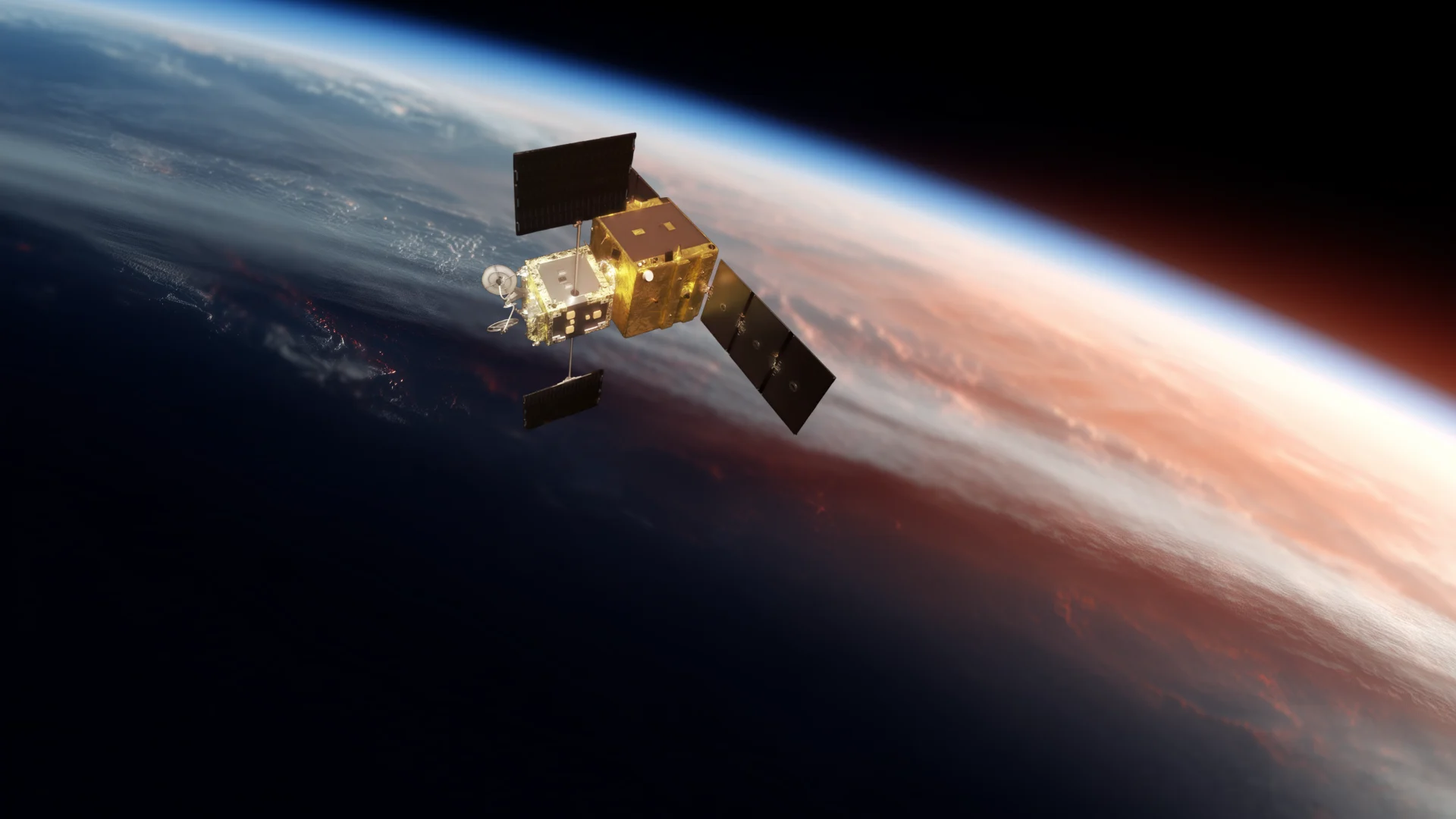
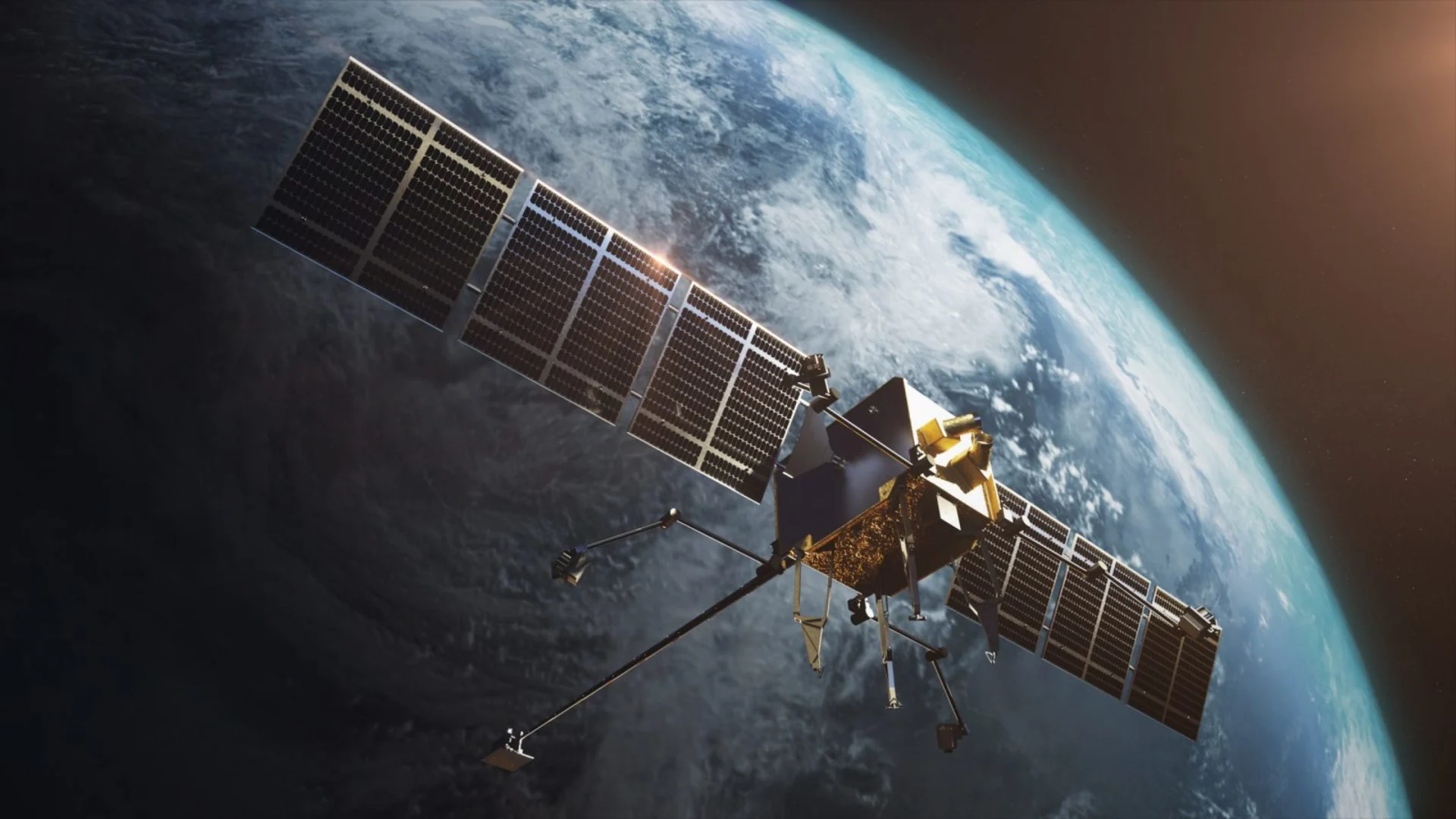
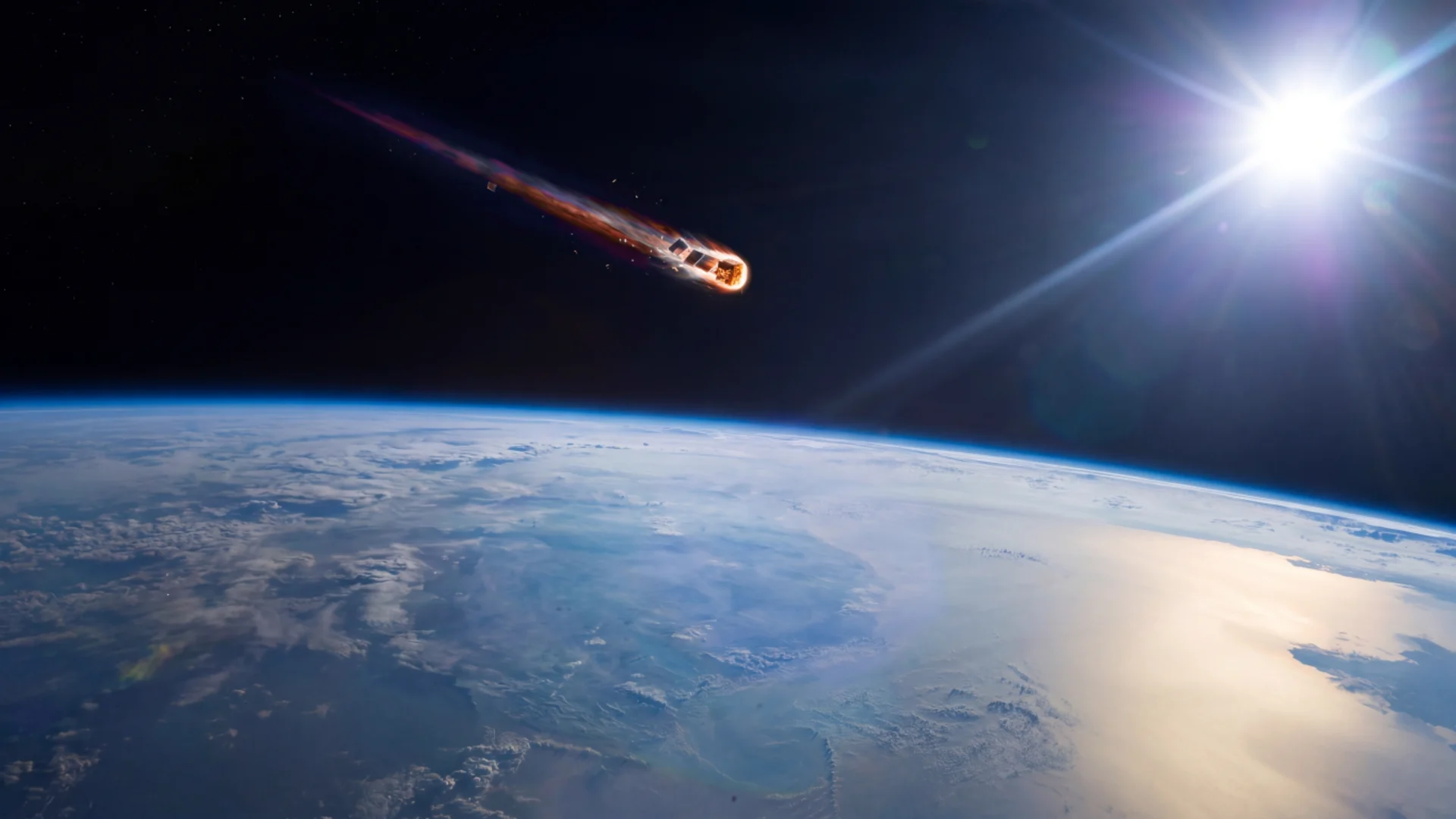
Die aktive Weltraummüllbeseitigung ist eine unerlässliche Fähigkeit, um das Kollisionsrisiko zu reduzieren, wichtige Weltrauminfrastruktur zu schützen und die sichere und nachhaltige Nutzung der Erdumlaufbahn zu ermöglichen. Als Nachfolgemission der erfolgreichen Weltraummüllinspektionsmission ADRAS-J wird ADRAS-J2 diese Fähigkeit nun weiter unter Beweis stellen, indem sie sich einer nicht kooperativen Raketenoberstufe im Orbit sicher nähert und diese einfängt. Diese Oberstufe war nie für Rendezvous, Einfangen oder Entfernen ausgelegt. Im Gegensatz zu Raumfahrzeugen, die im Voraus für die Entsorgung am Ende ihrer Lebensdauer vorbereitet wurden, kombiniert ADRAS-J2 die flugerprobten Rendezvous- und Annäherungsmanöver (RPO) von Astroscale mit der firmeneigenen Roboterarmtechnologie, um ein vorhandenes Objekt aus dem Orbit zu entfernen.
Die Mission wird als Phase II des Projekts „Commercial Removal of Debris Demonstration“ (CRD2) der japanischen Raumfahrtagentur JAXA entwickelt. ADRAS-J2 zielt auf eine Oberstufenrakete mit einer Länge von etwa 11 Metern, einem Durchmesser von 4 Metern und einem Gewicht von etwa 3 Tonnen. Das Einfangen und Entfernen eines solchen Objekts zählt zu den komplexesten Herausforderungen bei der Weltraummüllbeseitigung und erfordert präzise Navigation, robuste Sicherheitssysteme und hochentwickelte Robotertechnik.
Spectrum ist die von Isar Aerospace selbst entwickelte und gefertigte Trägerrakete für kleine und mittelgroße Satelliten. Mit einer Nutzlastkapazität von bis zu einer Tonne für den erdnahen Orbit und der Fähigkeit, missionsspezifische Orbitalanforderungen zu erfüllen, ist sie für Kunden konzipiert, die einen dedizierten und maßgeschneiderten Zugang zum Weltraum benötigen. Diese Eigenschaften machen sie besonders geeignet für komplexe Missionen wie ADRAS-J2, bei denen ein präziser Orbitaleinschuss entscheidend für den Erfolg ist. Isar Aerospace plant im Vorfeld von ADRAS-J2 mehrere Teststarts, wodurch die Zuverlässigkeit der Trägerrakete weiter verbessert werden soll.
„ADRAS-J2 ist eine Pioniermission, die die weltweit erste Entfernung eines großen, seit Jahrzehnten im Orbit befindlichen Weltraumschrottteils zum Ziel hat, das nie für die Entfernung vorgesehen war“, sagte Nobu Okada, Gründer und CEO von Astroscale. „Nach mehr als einem halben Jahrhundert menschlicher Aktivitäten im Weltraum nimmt die Anzahl der Trümmerteile im Orbit stetig zu und stellt eine wachsende Bedrohung für die langfristige Nachhaltigkeit des Weltraums dar. ADRAS-J2 ist ein entscheidender Schritt, um dieser Herausforderung aktiv zu begegnen und bringt uns der Vision von Astroscale einer sicheren und nachhaltigen Entwicklung des Weltraums für zukünftige Generationen näher.“
Neben dem Nachweis der Fähigkeiten zur Weltraummüllbeseitigung glauben wir, dass der Erfolg von ADRAS-J2 den internationalen Dialog, die Standards und die politischen Rahmenbedingungen für die aktive Weltraummüllbeseitigung voranbringen wird. Der Start markiert den Beginn dieser wichtigen Mission, und wir freuen uns über die Partnerschaft mit Isar Aerospace. Deren Startflexibilität und Engagement für die Erfüllung unserer Missionsanforderungen machen sie zu einem wertvollen Partner für diese wegweisende Mission. Wir freuen uns auf die Zusammenarbeit, um ADRAS-J2 in die Umlaufbahn zu bringen.
„ADRAS-J2 ist eine Mission, die die Zukunft der Raumfahrt prägen wird. Sie erfordert Präzision, Flexibilität und die Fähigkeit, die richtige Umlaufbahn zum richtigen Zeitpunkt zu erreichen. Genau dafür ist unsere Trägerrakete Spectrum konzipiert“, sagte Stella Guillen, Chief Commercial Officer von Isar Aerospace. „Wir freuen uns sehr, erneut mit der globalen Astroscale-Gruppe an einer weiteren wegweisenden Mission zusammenzuarbeiten. Diese zweite Startvereinbarung spiegelt das Vertrauen unserer Kunden in unser Team und unsere Technologie wider und vertieft eine Partnerschaft, die die nächste Generation von Weltraummissionen vorantreibt.“
ADRAS-J2 baut auf dem Erfolg von ADRAS-J auf, das 2024 als Phase I des JAXA-Projekts CRD2 durchgeführt wurde. Im Rahmen von ADRAS-J gelang es Astroscale als erstem kommerziellen Unternehmen, ein größeres Weltraumschrottteil zu erreichen und es aus nächster Nähe zu untersuchen. Die Mission demonstrierte autonomes RPO (Remote Operation of Occlusion) um ein nicht-kooperatives Objekt, einschließlich Nahbereichsaufnahmen, Beobachtungen im Umkreis von 50 Metern und einer extrem nahen Annäherung bis auf 15 Meter.
ADRAS-J inspizierte außerdem die Nutzlastbefestigung (PAF) am Oberstufenkörper der Rakete, die geplante Einfangschnittstelle für die ADRAS-J2-Mission, und bestätigte, dass diese keine signifikanten Schäden aufwies. Zudem lieferte sie wichtige Daten für die Einfangplanung.
Aufbauend auf den Erfahrungen von ADRAS-J wird ADRAS-J2 die nächste wichtige Fähigkeit für skalierbare Wartungsarbeiten im Orbit demonstrieren. Durch das sichere Einfangen und Entfernen eines vorhandenen, nicht kooperativen Weltraumschrottobjekts ebnet die Mission den Weg für die routinemäßige aktive Weltraumschrottbeseitigung und eine nachhaltigere Umlaufbahn. Der Satellit befindet sich derzeit in der Montage- und Fertigungsphase und wird für seinen Start vorbereitet.
Über Isar Aerospace
Das europäische Raumfahrtunternehmen Isar Aerospace bietet Startdienstleistungen für den Transport von kleinen und mittelgroßen Satelliten sowie Satellitenkonstellationen in den Orbit an. Die Trägerraketen werden fast vollständig im eigenen Haus entwickelt, gefertigt und getestet. Isar Aerospace hat seinen Hauptsitz in der Nähe von München, wurde 2018 gegründet und beschäftigt mittlerweile über 400 Mitarbeiter an fünf internationalen Standorten. Private Investoren sichern dem Unternehmen mit seinem zukunftsweisenden Ansatz, die Produktion von Trägerraketen durch vertikale Integration zu skalieren und zu industrialisieren, eine solide Grundlage. Weitere Informationen: www.isaraerospace.comDie
Über die Demonstrationsreihe zur gewerblichen Abfallbeseitigung (CRD2)
Astroscale Japan wurde von der Japanischen Raumfahrtbehörde (JAXA) als Partner für die zweite Phase des CRD2-Projekts ausgewählt. Ziel dieser Phase ist es unter anderem, Technologien zur Beseitigung großer Weltraumschrottteile zu demonstrieren. Daraus entstand ADRAS-J2. CRD2 ist eine neue Initiative der JAXA mit zwei Hauptzielen: die Entwicklung von Technologien zur Weltraumschrottbeseitigung, um dem wachsenden Problem des Weltraumschrotts zu begegnen, und die Förderung der kommerziellen Aktivitäten japanischer Unternehmen. Das Projekt wird von der JAXA unterstützt, unter anderem durch technische Beratung, Bereitstellung von Testeinrichtungen und die Rechte am geistigen Eigentum der Forschungsergebnisse. https://www.kenkai.jaxa.jp/crd2/project/
Über Astroscale
Astroscale ist weltweit führend im Bereich der On-Orbit-Wartung und engagiert sich für die sichere und nachhaltige Entwicklung des Weltraums. Das Unternehmen bietet eine Vielzahl innovativer und skalierbarer On-Orbit-Servicelösungen, darunter Lebensdauerverlängerung, Überholung, Upgrades, Weltraumlageerfassung vor Ort, Entsorgung und aktive Weltraummüllbeseitigung. Seit dem ersten erfolgreichen Start im März 2021 hat Astroscale im Rahmen der Missionen ELSA-d und ADRAS-J seine Rendezvous- und Annäherungsmanöver im Orbit unter Beweis gestellt. Astroscale-Raumfahrzeuge wurden für wegweisende Missionen von JAXA, der US Space Force, der Europäischen Weltraumorganisation (ESA), der britischen Raumfahrtagentur (UK Space Agency) und Eutelsat ausgewählt. Da immer mehr Satellitenbetreiber On-Orbit-Wartung zur routinemäßigen Inspektion, Verlegung, Entfernung und Lebensdauerverlängerung von Raumfahrzeugen nutzen, wird das Potenzial einer Kreislaufwirtschaft im Weltraum – und einer Zukunft ohne Weltraummüll – erschlossen. Astroscale hat seinen Hauptsitz in Japan und ist mit Tochtergesellschaften in Großbritannien, den USA, Frankreich und Israel weltweit vertreten. https://www.astroscale.com/en
1 Basierend auf öffentlich zugänglichen Informationen vom Juli 2026.
Translation
Translations are machine-generated and may not be perfect.
All Categories
Recent Posts
Astroscale UK Strengthens Mission Readiness for World’s First Active Debris Removal Mission
30. September 2026ESA's Space Environment Report Shows a Growing Gap Between Space Growth and Sustainability
15. September 2026Astroscale France and HEMERIA Join Forces to Develop Sovereign GEO Capability for Global Markets
15. September 2026